
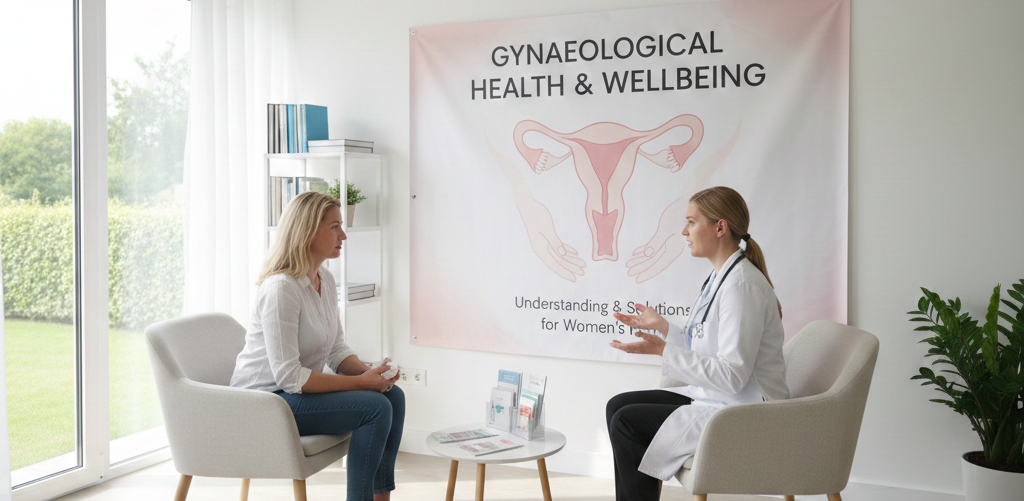
Gynaecological issues are becoming increasingly common among young and middle-aged women. Irregular periods, PCOS, hormonal imbalance, infections, and pelvic pain often go unnoticed until they disrupt daily life. Many women ignore early symptoms due to busy schedules or embarrassment — but untreated problems can worsen over time.
Today, gynaecological health demands more attention than ever, especially with modern lifestyle changes affecting hormonal balance and reproductive health.
Let’s explore the common causes, early signs, and how timely care can prevent complications.
What Causes Gynaecological Problems?
Gynaecological concerns can arise from lifestyle habits, hormonal changes, or underlying health conditions.
• Stress & Irregular Routines
Stress disrupts hormonal balance, leading to irregular periods, acne, mood swings, and fertility issues.
• Poor Eating Habits
High consumption of processed foods, sugar, and unhealthy fats can worsen PCOS, weight gain, and menstrual problems.
• Sedentary Lifestyle
Lack of physical activity contributes to obesity and hormonal imbalance, increasing risks of menstrual irregularities and pelvic discomfort.
Some women may have genetically linked conditions like fibroids, endometriosis, or thyroid disorders that worsen with lifestyle triggers.
Early Symptoms You Should Never Ignore
Most gynaecological problems start silently. Over time, symptoms may include:
- Irregular or heavy periods
- Severe menstrual cramps
- Pelvic or lower abdominal pain
- Unusual vaginal discharge
- Itching, burning, or urinary discomfort
- Pain during intercourse
These symptoms may indicate PCOS, infections, fibroids, hormonal imbalance, or endometriosis. Early evaluation helps prevent long-term complications.
Why Early Treatment Matters
Ignoring symptoms may lead to fertility issues, chronic pain, anemia, or severe infections. Early diagnosis helps:
- Restore menstrual cycles
- Reduce pelvic pain
- Improve fertility
- Treat infections before they spread
- Manage hormonal problems effectively
If you experience ongoing symptoms, consult a qualified Gynaecologist in India. Specialists at Aster Hospital offer advanced screening, hormonal tests, pelvic imaging, and tailored treatment for women of all ages.
How to Maintain Gynaecological Health Naturally
Most issues can be improved with healthy lifestyle habits:
• Balanced Diet
Include fiber-rich foods, fresh fruits, leafy vegetables, and lean proteins. Reduce sugar, trans-fats, and junk foods.
• Regular Exercise
Walking, yoga, and strength training help regulate hormones and support reproductive health.
• Adequate Sleep
7–8 hours of sleep helps stabilize hormones and reduce stress-related symptoms.
Weight management and early medical guidance improve long-term reproductive health.
Final Thoughts
Gynaecological problems are increasingly common but highly manageable with early diagnosis and the right care. Women must prioritise their reproductive health and not ignore persistent symptoms.
If you notice changes in your menstrual cycle, pelvic pain, or discomfort, consult a Gynaecologist in India. With timely evaluation and guidance at Aster Hospital, you can restore hormonal balance, prevent complications, and protect your long-term wellbeing.